
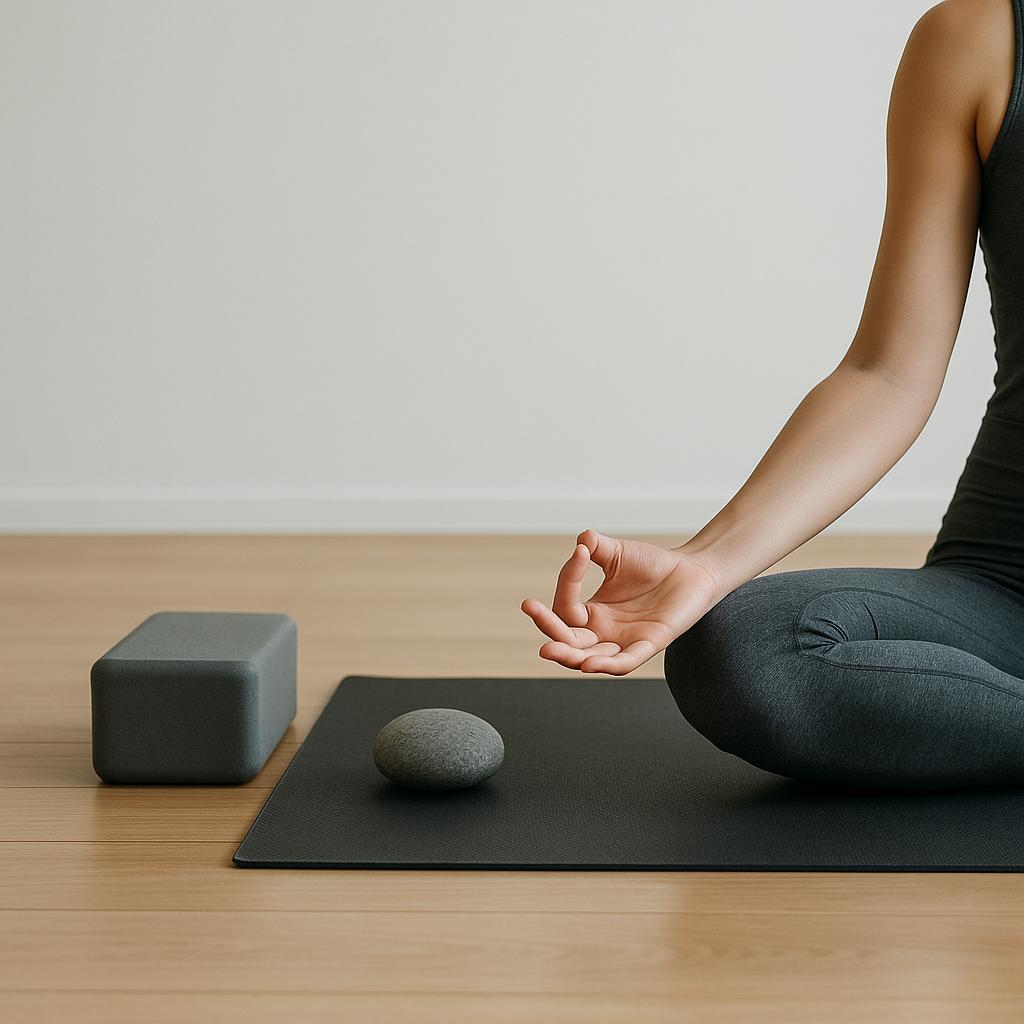
Introduction to Yoga Benefits for Mental Health
Yoga combines physical postures, breathing exercises, and mindfulness practice to support overall well-being. Beyond fitness, yoga offers profound benefits for mental health. This article explores how yoga can help reduce stress, improve mood, and foster emotional resilience, making it a great tool for enhancing mental health.
How Yoga Supports Mental Health
Yoga’s holistic approach targets both mind and body. Physical postures (asanas) help release tension and improve circulation, while controlled breathing (pranayama) calms the nervous system. Together, these create a balanced physiological response that can reduce anxiety and depressive symptoms.[1]
The Role of Mindfulness Practice in Yoga
Mindfulness in yoga means focusing attention on the present moment—your breath, body sensations, and thoughts—without judgment. This mindful awareness can break cycles of negative thinking and foster acceptance and relaxation.[2]
Key Mental Health Benefits of Yoga
- Stress Reduction: Yoga activates the parasympathetic nervous system, which reduces stress hormones.
- Improved Mood: Regular yoga practice increases neurotransmitters like serotonin.
- Anxiety Relief: Focused breathing techniques ease anxious feelings.
- Enhanced Sleep: Yoga helps regulate sleep patterns by calming the mind.
- Greater Emotional Resilience: Mindfulness increases coping skills for life’s challenges.[3]
Simple Yoga Practices for Mental Health
- Breath Awareness (Pranayama): Practice deep, slow breathing for 5 minutes daily.
- Gentle Asanas: Try poses like Child’s Pose, Cat-Cow, and Legs-Up-The-Wall.
- Guided Meditation: Combine yoga with mindfulness meditation.
- Body Scan: Bring attention to different body parts progressively to relax tension.
Incorporating Yoga into Daily Routine
- Choose a quiet, comfortable space.
- Set a consistent time each day.
- Begin with 15–20 minutes, gradually increasing.
- Use online resources or apps for guidance.
- Pair yoga with complementary NinjaFitness workouts for balanced wellness. See Workouts.
Tips for Safe and Effective Yoga
- Wear comfortable clothing.
- Listen to your body; avoid pain.
- Use props like blocks or straps if needed.
- Stay hydrated.
- Consult a healthcare provider if you have medical concerns.
Conclusion
Yoga is more than exercise—it’s a powerful mental health tool. With consistent practice, yoga benefits include mindfulness, reduced stress, and emotional balance that support lifelong mental wellness. Start small, stay consistent, and experience the transformative effects of yoga for your mind and body.
For supportive nutrition advice that complements your yoga practice, explore NinjaFitness Nutrition.
References
[1]: “Yoga for Anxiety and Depression,” Mayo Clinic, https://www.mayoclinic.org/healthy-lifestyle/stress-management/in-depth/yoga/art-20044733
[2]: “Mindfulness and Yoga,” Harvard Health Publishing, https://www.health.harvard.edu/mind-and-mood/mindfulness-and-yoga
[3]: “Benefits of Yoga for Mental Health,” ACE Fitness, https://www.acefitness.org/education-and-resources/lifestyle/blog/6799/benefits-of-yoga-for-mental-health
Leave a Reply