
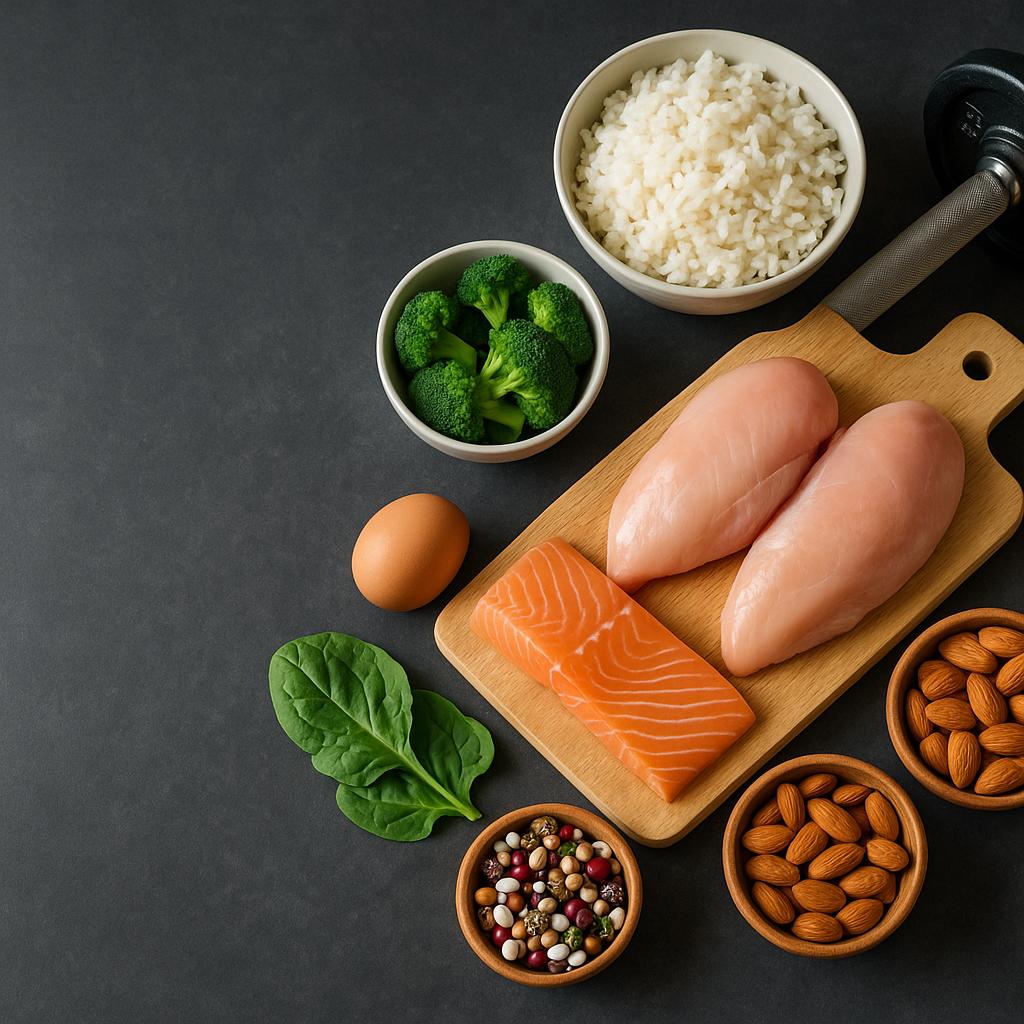
Introduction to Nutrition for Muscle Gain
Proper nutrition is crucial for muscle gain. While workouts stimulate muscle growth, the right nutrients provide the materials your muscles need to recover and grow stronger. This guide offers practical nutrition tips and diet strategies tailored to support muscle building efficiently.
Key Nutrients for Muscle Building
- Protein: The primary nutrient for muscle repair and growth. Protein supplies essential amino acids required for muscle hypertrophy.
- Carbohydrates: Provide energy to fuel intense training sessions and replenish glycogen stores.
- Fats: Support hormonal function and overall health, integral to muscle growth.
- Micronutrients: Vitamins and minerals, such as vitamin D, calcium, and magnesium, aid metabolic processes related to muscle function.
Effective Diet for Muscle Building
To optimize muscle gain, focus on:
- High protein intake: Aim for 1.6 to 2.2 grams of protein per kilogram of body weight daily.[1]
- Caloric surplus: Consuming more calories than your body expends facilitates muscle hypertrophy.
- Balanced meals: Incorporate carbohydrates and healthy fats alongside protein.
- Whole foods: Emphasize lean meats, fish, eggs, dairy, legumes, grains, vegetables, nuts, and seeds.
Meal Timing and Frequency for Muscle Gain
- Distribute protein evenly: Eating moderate amounts of protein every 3–4 hours supports continuous muscle protein synthesis.[2]
- Post-workout nutrition: Consume a protein-rich meal or shake within two hours after training to maximize muscle repair.
Hydration and Its Role in Muscle Growth
- Maintain adequate hydration to support metabolic function and nutrient transport.
- Dehydration can impair strength and recovery, so drink water consistently throughout the day and during workouts.
Common Myths About Nutrition for Muscle Gain
- Myth: Carbs make you fat. Fact: Carbohydrates are essential for energy and muscle recovery when consumed appropriately.
- Myth: More protein equals more muscle. Fact: Excessive protein beyond your needs won’t increase muscle further.
- Myth: Supplements replace meals. Fact: Supplements complement a balanced diet but cannot substitute whole food nutrition.
Practical Nutrition Tips Checklist
- [ ] Eat 4–6 balanced meals daily with adequate protein.
- [ ] Reach a daily calorie intake that supports muscle gain (caloric surplus).
- [ ] Prioritize protein sources like chicken, fish, eggs, and plant-based proteins.
- [ ] Include carbohydrates around workouts for energy.
- [ ] Hydrate with water regularly.
- [ ] Avoid excessive processed and high-sugar foods.
- [ ] Consider consulting a nutritionist for personalized guidance.
Summary and Key Takeaways
Nutrition plays an essential role in muscle gain. Focusing on protein intake, balanced meals, meal timing, and hydration will enhance your muscle-building efforts. Combine these nutrition tips with consistent training to achieve optimal results.
Start your muscle-building journey by exploring workout routines on NinjaFitness Workouts and complement your progress with tips on healthy eating via NinjaFitness Nutrition.
[1]: Protein is the key recovery nutrient, while carbohydrates help with ensuring adequate calories and energy to fuel training sessions.
[2]: Adequate consumption of dietary protein is critical for maintenance of optimal health during muscle growth.
References
- Examine.com, Protein’s Role in Muscle Gain, https://examine.com/nutrition/protein/
- AceFitness.org, Nutrition Tips for Muscle Building, https://www.acefitness.org/resources/professional/expert-articles/6543/nutrition-tips-for-muscle-building/
- Mayo Clinic, Healthy Diet Guidelines, https://www.mayoclinic.org/healthy-lifestyle/nutrition-and-healthy-eating/in-depth/protein/art-20045084
- NIH, Dietary Protein and Muscle Health, https://pubmed.ncbi.nlm.nih.gov/32951907/
Leave a Reply