
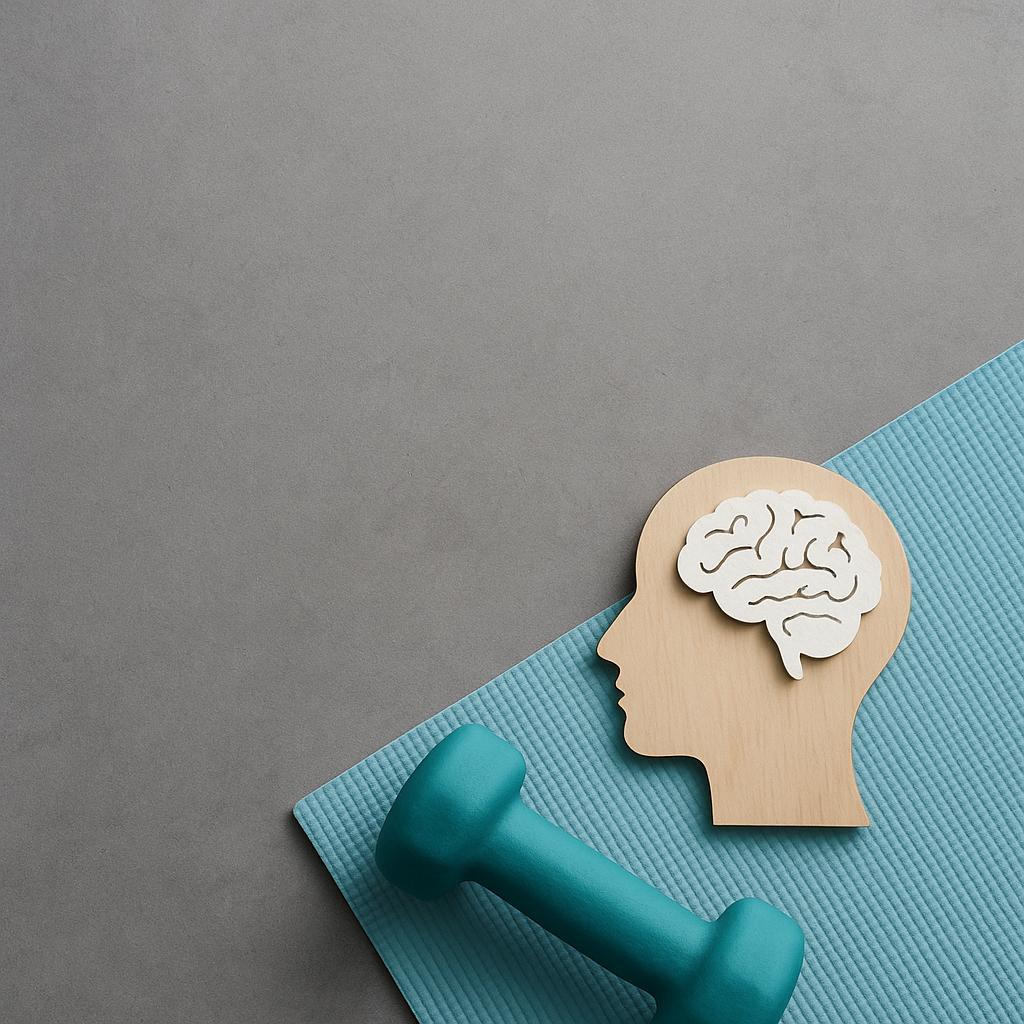
Exercise is a powerful tool not just for physical health but also for mental well-being. Understanding and leveraging the mental health benefits of exercise can transform how you feel, think, and cope with stress. This article explores the essential links between exercise and mental health, focusing particularly on the mind-body connection.
Understanding the Mind-Body Connection
The mind-body connection refers to the complex interactions between psychological, neurological, and physical processes. Exercise enhances this connection by influencing brain chemistry and body awareness. Activities that combine movement with mindfulness, such as yoga and tai chi, further deepen this relationship.
How Exercise Influences Mental Health
- Neurochemical Boost: Exercise increases neurotransmitters like serotonin, dopamine, and endorphins which improve mood and reduce pain perception.
- Stress Reduction: Physical activity lowers cortisol levels, helping mitigate chronic stress.
- Brain Health: Regular exercise promotes neuroplasticity—the brain’s ability to reorganize itself—improving learning and memory.
Exercise and Anxiety Relief
Research shows exercise reduces anxiety symptoms through:
- Decreasing muscle tension
- Distracting from worries
- Regulating nervous system activity
Exercise for Depression Management
Exercise mimics the effects of antidepressants by:
- Elevating mood-enhancing chemicals
- Improving sleep that often gets disrupted in depression
- Increasing self-esteem and confidence through achievement
Practical Ways to Harness Exercise for Mental Health
Types of Exercise for Mental Wellness
- Aerobic Exercise: Running, cycling, swimming boost cardiovascular and brain health.
- Mind-Body Exercises: Yoga, Pilates, and tai chi promote relaxation and mindfulness.
- Strength Training: Builds resilience and can improve body image.
Tips to Stay Consistent and Motivated
- Set realistic goals: Start small and gradually increase intensity.
- Choose activities you enjoy: Exercise should be fun, not a chore.
- Schedule workouts: Make exercise a priority in your daily routine.
- Use mindfulness techniques: Focus on your breath and body sensations during exercise.
- Track progress: Celebrate improvements in mood and fitness.
FAQs about Mental Health Benefits of Exercise
What are the primary mental health benefits of regular exercise?
Regular exercise improves mood, reduces anxiety and depression symptoms, enhances cognitive function, and promotes better sleep.
How does exercise affect the mind-body connection?
Exercise strengthens the mind-body connection by reducing stress hormones, increasing endorphins, and promoting mindfulness through bodily awareness.
Which types of exercise are best for mental health?
Aerobic exercises, mind-body exercises like yoga and tai chi, and strength training all positively impact mental health in different ways.
How often should I exercise to see mental health benefits?
Aim for at least 150 minutes of moderate-intensity exercise per week as recommended by health authorities to experience mental health benefits.
Can exercise replace medication for mental health issues?
Exercise is a powerful adjunct to treatment but should not replace prescribed medication or professional mental health care.
For more guidance, check out our workout plans at NinjaFitness Workouts and nutrition advice at NinjaFitness Nutrition.
References
[^1]: “Exercise improves memory and learning and reduces or slows progressive loss to brain cell structure and function.” acefitness.org
[^2]: “Research on depression, anxiety and exercise shows that the mental health and physical benefits of exercise also can help mood get better and lessen anxiety.” mayoclinic.org
[^3]: “1. Focus on the breath. 2. Incorporate simple meditation techniques. 3. Teach participants how to use visualization to conquer challenging …” acefitness.org
Leave a Reply