
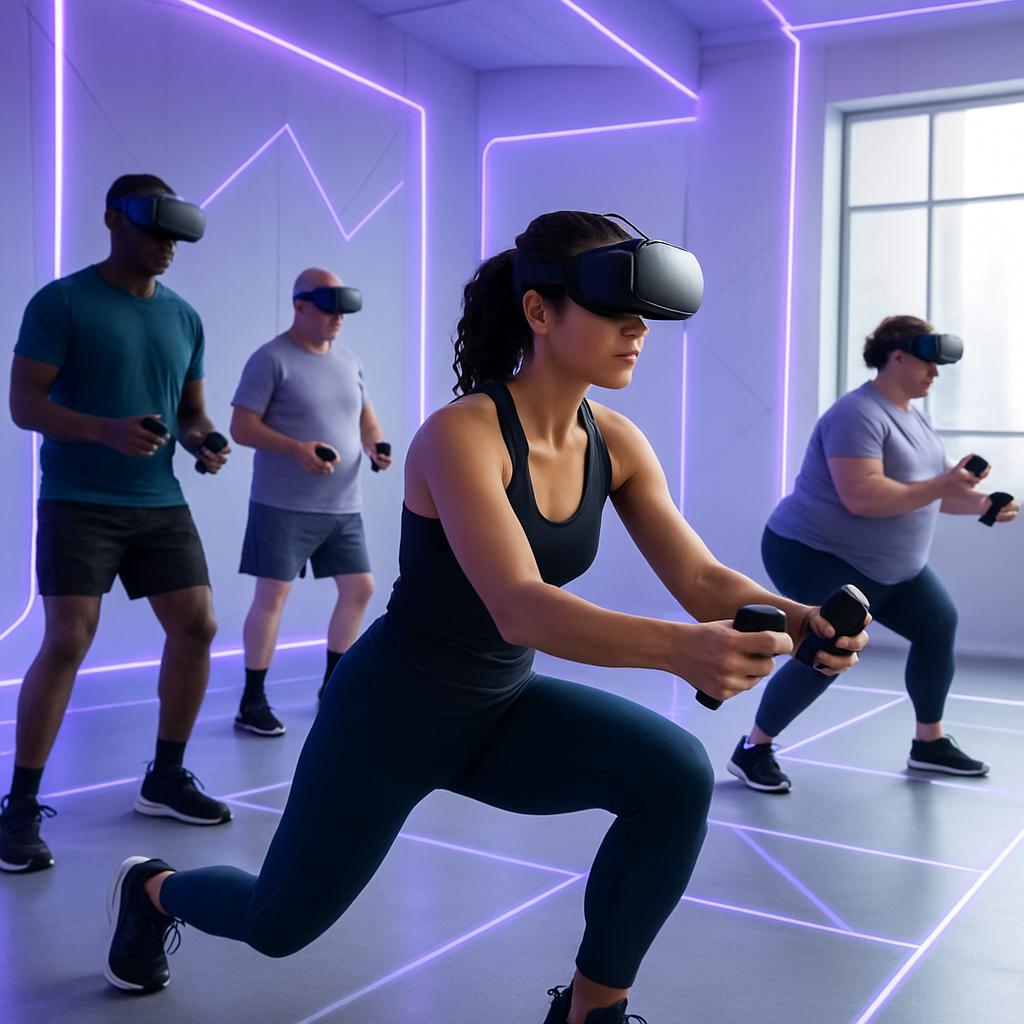
The Digital Transformation of Fitness
The fitness landscape is experiencing an empowering transformation. The virtual fitness market is projected to reach $331.1 billion by 2034, reshaping how everyday people approach movement and exercise. For desk warriors and busy professionals, this represents an exciting opportunity to optimize consistency and engagement in workouts.
Why VR Fitness Matters Now
North America holds 39.8% of the global VR fitness market, reflecting strong adoption in our region. This growth highlights a meaningful shift in exercise approaches.
Ninja Tip: Choose VR systems with body tracking to get real-time form feedback, supporting safe and effective movement.
The Gamification Revolution
The VR fitness game market is expected to reach $19.84 billion by 2034, illustrating how combining gaming and exercise creates sustainable, engaging fitness experiences with a 4.96% compound annual growth rate.
Breaking Down the Benefits
- Immersive Environment: Virtual settings ease gym anxiety, fostering comfort.
- Real-Time Feedback: Motion tracking offers immediate form guidance.
- Progressive Overload: Gamified workouts naturally support gradual progression.
- Community Integration: Multiplayer virtual workouts enhance accountability and connection.
Ninja Tip: Begin with 15-20 minute VR sessions to allow vestibular system adaptation and minimize motion discomfort.
Implementation Strategy
Phase 1: Getting Started
- Select a VR system with a strong fitness app ecosystem.
- Prepare a dedicated workout area of at least 6×6 feet.
- Use moisture-resistant face covers to maintain hygiene.
Phase 2: Programming
- Start with bodyweight fundamentals within VR environments.
- Incorporate rhythm-based games for cardiovascular health.
- Leverage tracked controllers to simulate resistance training.
Ninja Tip: Plan VR workouts during your highest energy periods to maximize performance through immersion.
Future-Proofing Your Fitness
The 27.69% CAGR in virtual fitness signals a lasting change in exercise methodology. For the modern ninja, integrating both traditional and virtual training offers a comprehensive blueprint for movement mastery.
Essential Considerations
- Ensure data tracking capabilities.
- Check integration with your current fitness apps.
- Utilize community features for accountability.
- Prioritize regular software updates and support.
Ninja Tip: Export VR workout data to your primary fitness app for a complete view of your progress.
The Future of Fitness: Boosting Engagement with VR
Virtual reality (VR) is not just a trend; it’s a proven methodology for enhancing workout engagement and effectiveness. Studies reveal that VR workouts can increase physical activity levels, making fitness more accessible for a wide range of users, from ‘Desk Warriors’ to ‘Office Athletes’ (Blackbox VR, 2024).Ninja Tip: Incorporate gamified VR sessions to transform how you experience fitness, reducing perceived exertion and boosting motivation. For example, use platforms like Blackbox VR to stay engaged.
Customizing Workouts: Achieving Personal Goals with VR
Many modern VR platforms allow users to tailor workouts to personal fitness goals. Whether it’s strength training, cardio, or mindfulness, the flexibility of VR offers unlimited options (HOLOFIT, 2024).Ninja Tip: Use VR apps that provide real-time feedback and performance tracking to optimize your results. Tailor your sessions to include dynamic stretching and warm-ups to prevent injuries, keeping your regimen safe and efficient.
Next Steps
- Assess your space requirements.
- Research VR systems aligned with your fitness goals.
- Begin with beginner-friendly VR fitness applications.
- Gradually increase session duration and intensity as your journey progresses.
Remember: VR fitness complements traditional training by enhancing your journey toward complete physical mastery.
Leave a Reply