
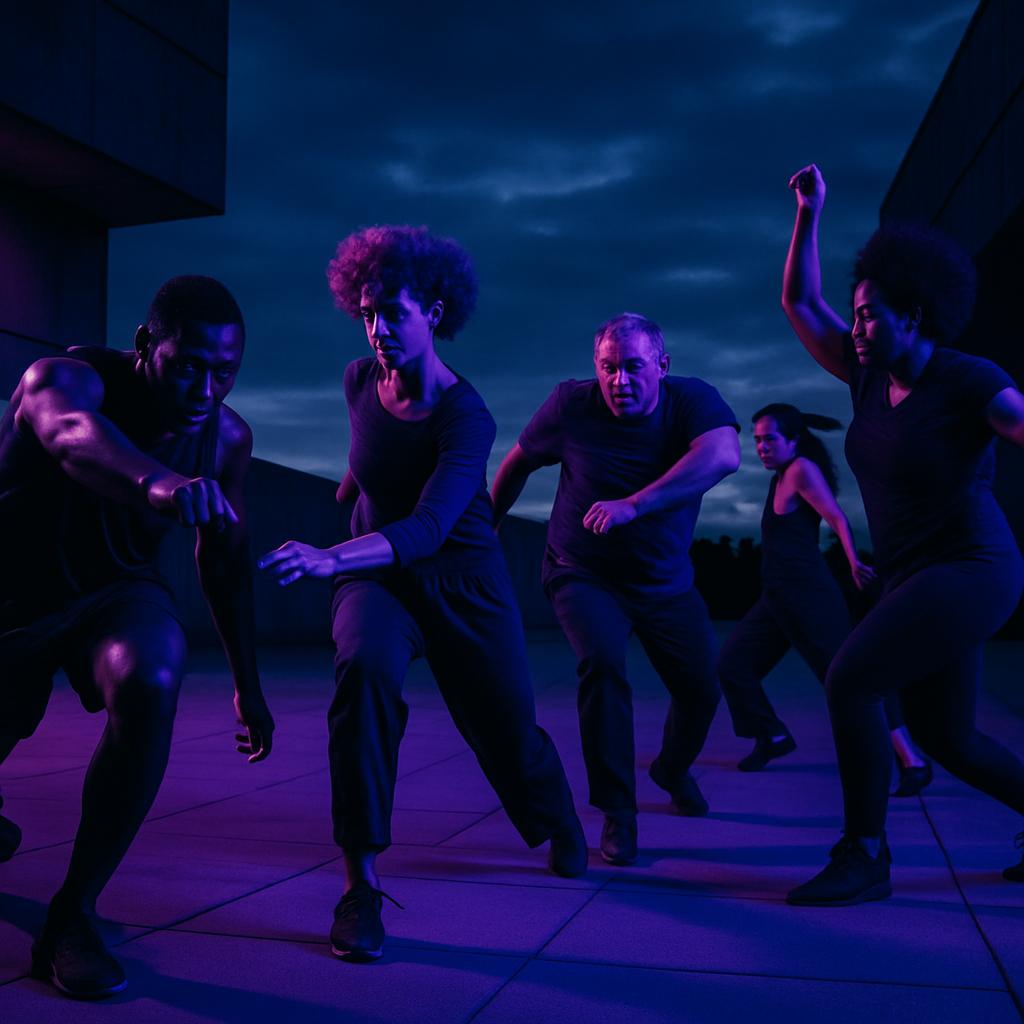
The Mind-Body Connection Through Movement
When you’re feeling mentally drained after a long workday, your typical workout might feel like another task to check off. But what if movement could transform into medicine for your mind and a blueprint for peak physical performance? Dance workouts produce psychological and cognitive benefits superior to traditional exercise, making them a powerful tool for every Desk Warrior.
The Neural Magic of Dance
Enhanced Cognitive Function
Dance activates multiple brain regions simultaneously through choreographed movement patterns, creating a unique cognitive training effect. Unlike repetitive exercises, dance engages both your analytical and creative neural pathways.
Ninja Tip: Before your strength training, spend 10 minutes freestyle dancing to prime your neural pathways for complex movement patterns.
Mood Enhancement Through Movement
98% of participants report improved mood through conscious dance practice, with benefits lasting up to eight months after regular practice.
Ninja Tip: Start your morning mobility routine with 5 minutes of expressive movement to music—this sets a positive tone for your entire training day.
The Three Pillars of Dance’s Mental Benefits
1. Cognitive Challenge
Learning dance sequences activates prefrontal regions responsible for executive function, enhancing your brain’s ability to learn complex movement patterns.
Ninja Tip: Create short movement sequences combining basic calisthenics elements with dance transitions to challenge both mind and body.
2. Social Connection
Group dance settings enhance mental health benefits compared to solo training, activating mirror neuron systems that improve movement learning.
Ninja Tip: Join or organize a movement jam combining dance and bodyweight skills practice with fellow Office Athletes.
3. Sustained Motivation
Dance demonstrates superior adherence rates compared to traditional exercise, helping you stay consistent with your training goals.
Ninja Tip: Incorporate music and rhythmic movement into your skill practice sessions to maintain engagement during plateaus.
Clinical Evidence and Athletic Application
12 weeks of dance movement therapy significantly improves multiple psychological domains, including:
- Reduced anxiety
- Improved mood
- Enhanced focus
- Better stress management
Ninja Tip: Use dance as active recovery between strength training sessions to maintain mental freshness while allowing physical recovery.
Implementing Dance in Your Training
Morning Movement Protocol
- 5 minutes freestyle movement
- 5 minutes structured choreography
- 5 minutes integration with bodyweight skills
Recovery Day Dance Practice
- 15 minutes continuous movement
- Focus on flow rather than technique
- Emphasize enjoyment over performance
Evidence-Based Dance Benefits for Mental Health
Scientific research underscores dance’s unique benefits in enhancing mood, relieving anxiety, and boosting cognitive function. Studies reveal that dance elevates serotonin levels and engages brain areas controlling mood and emotion (UCLA Health, 2021; NIH, 2024). Regular practice improves depression symptoms, with participants reporting mood enhancements lasting up to a year. Ninja Tip: Start with a six-week program to experience enduring mental health gains.
The NinjaFitness Movement Integration System
Transform your training journey by joining our Movement Mastery program, where we combine:
- Dance-based mobility work
- Bodyweight strength fundamentals
- Mental performance techniques
Ready to evolve your practice? Click here to access our free Movement Foundations course and experience the power of integrated training.
Remember: True ninjas master not just their bodies, but their minds through movement.
Leave a Reply