
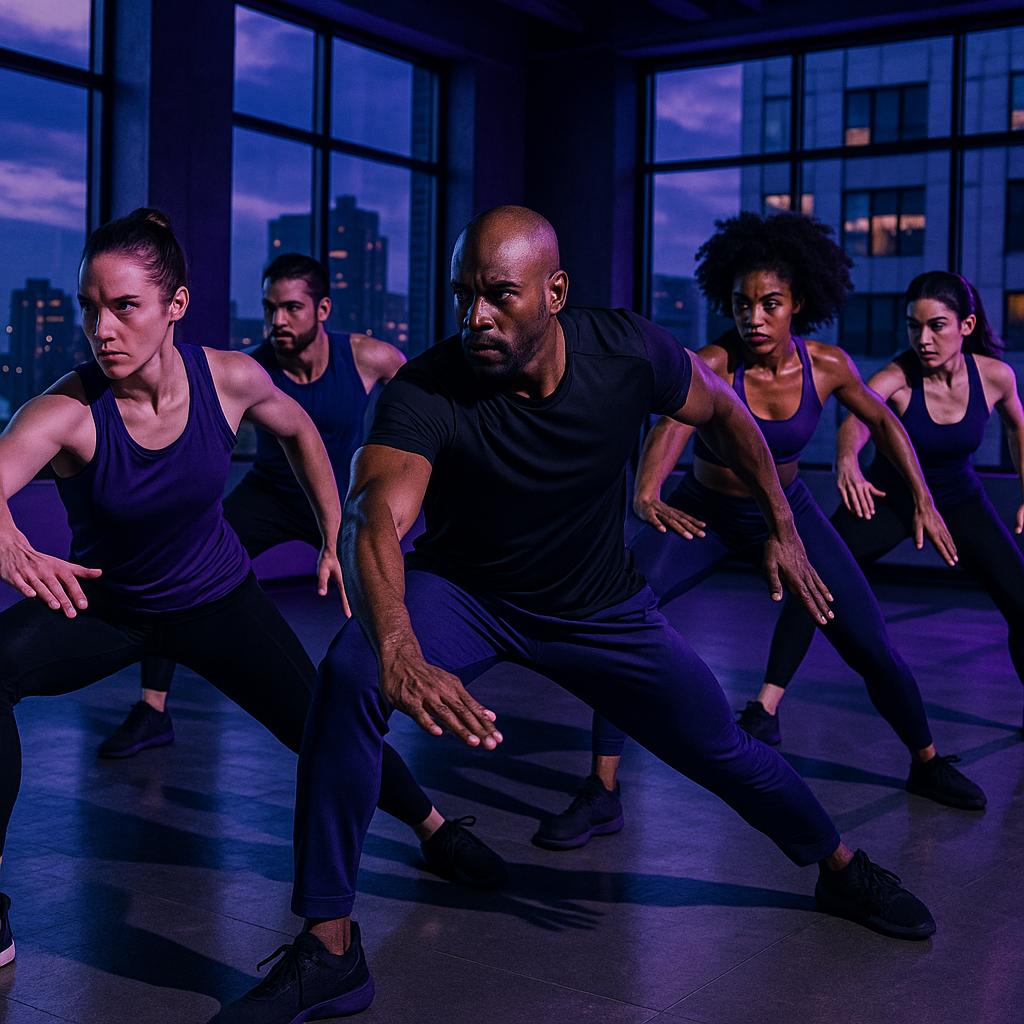
The Hidden Power of Rhythmic Movement
The days of seeing dance as just entertainment are over. Research reveals that structured dance programs deliver mental health benefits that surpass traditional exercise, making it a powerful tool for the modern Desk Warrior seeking both physical and psychological optimization.
The Neural Edge of Dance Training
Dancing reduces depression symptoms more effectively than walking, yoga, and even prescription antidepressants. This isn’t just feel-good science—it’s backed by a meta-analysis of 218 studies involving 14,000+ participants.
Ninja Tip #1: Movement Integration
Start each training session with 5 minutes of free-form movement to prime both body and mind. This activates your emotional brain centers while warming up your mobility pathways.
Cognitive Enhancement Through Movement
Only dance, among 11 different physical activities, demonstrated the ability to lower dementia risk. This unique benefit stems from the combination of mental engagement and social interaction that dance provides.
Ninja Tip #2: Pattern Recognition
Incorporate simple movement sequences into your warm-up routine. Start with 3-4 moves and progressively increase complexity to challenge both mind and body.
Stress Reduction Metrics
Dance therapy explains 18.3% of stress reduction in academic populations—a significant finding for Desk Warriors looking to optimize their recovery and mental clarity.
Ninja Tip #3: Recovery Protocol
After intense training sessions, spend 10 minutes in guided movement meditation to accelerate both physical and mental recovery.
The Social Connection Advantage
98% of conscious dance participants report improved mood states, with particularly strong benefits for those managing anxiety or depression.
Ninja Tip #4: Community Movement
Join or create a movement practice group. The combination of synchronized movement and social support amplifies both physical and mental benefits.
Programming for Optimal Results
Research shows that six weeks is the minimum duration needed for significant psychological improvements. Here’s your optimal implementation blueprint:
- Start with 2 weekly sessions
- Each session: 30-45 minutes
- Combine structured and free-form movement
- Focus on expression over perfection
Ninja Tip #5: Progressive Integration
Week 1-2: 10 minutes post-workout
Week 3-4: 20 minutes dedicated sessions
Week 5-6: Full 30-minute movement practices
The NinjaFitness Movement Protocol
Transform your training with our evidence-based movement integration system:
- Morning Mobility Flow (5 minutes)
- Pre-workout Movement Primer (10 minutes)
- Post-workout Neural Reset (5 minutes)
- Evening Stress Release (10 minutes)
Ready to revolutionize your mental and physical training? Join the NinjaFitness Movement Mastery program and access our complete library of guided movement sessions designed specifically for the modern Office Athlete.
The Science Behind Dance and Mental Health
Dancing triggers the release of endorphins, reducing stress hormones like cortisol and improving mood. These biochemical changes result in enhanced coping mechanisms and emotional resilience. A study by UCLA emphasizes conscious, free moving dance as particularly effective in reducing anxiety and depression (UCLA Health, 2021). Participation in structured dance programs further enhances cognitive functions such as memory and decision-making, even more effectively than other exercises in older adults (Sydney University, 2024).
Ninja Tip: Integrate dance with your routine by practicing rhythmic movements for 5 minutes daily to ignite energy and enhance mood.
Next Steps: Your Movement Journey
Start your transformation today:
- Download our Movement Starter Guide
- Join our weekly virtual movement sessions
- Track your mental wellness metrics
- Connect with our community of movement practitioners
Remember: True ninjas master both body and mind. Movement is your gateway to both.
Leave a Reply