
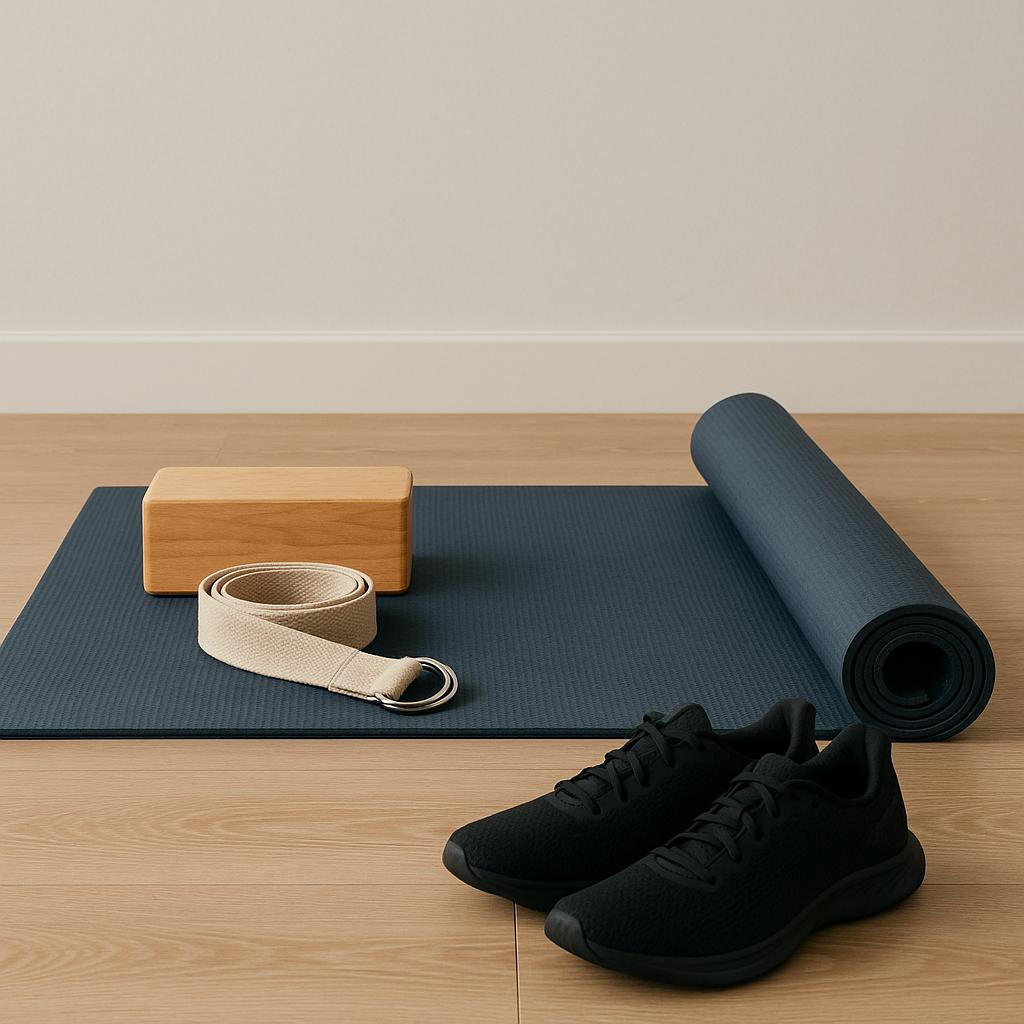
Introduction to Yoga for Fitness
Yoga has evolved from an ancient spiritual practice into a widely embraced fitness method that complements traditional workouts. Incorporating yoga for fitness goes beyond flexibility; it encompasses strength, balance, and mental wellness. Unlike high-impact exercises, yoga offers low-impact movement that enhances physical capabilities and supports recovery[^1].
Benefits of Yoga for Overall Health
Yoga’s benefits are multi-dimensional, supporting both body and mind:
- Improved Muscle Strength: Yoga poses require holding weight-bearing postures that build strength across various muscle groups[^2].
- Enhanced Flexibility: Dynamic and static stretching in yoga helps lengthen muscles and increase joint mobility[^3].
- Better Balance and Stability: Yoga trains proprioception, reducing falls and injuries[^4].
- Mental Health Boost: Yoga encourages mindfulness and stress reduction.
- Supports Recovery: Yoga complements muscle recovery and reduces soreness.
Yoga Poses for Strength Building
Integrating yoga poses geared toward strength can amplify fitness results. Key poses include:
- Plank Pose: Strengthens core, arms, and shoulders.
- Chair Pose (Utkatasana): Builds legs and glutes power.
- Warrior II (Virabhadrasana II): Enhances leg strength and endurance.
- Boat Pose (Navasana): Focuses on abdominal and hip flexor strength.
- Chaturanga Dandasana: Improves overall upper body and core strength.
Focus on holding poses for 20-30 seconds to engage muscles effectively.
Yoga for Flexibility Enhancement
Yoga’s role in flexibility stems from its methodical stretching approach:
- Targets multiple muscle groups gently and progressively.
- Lengthens tight areas such as hamstrings, hips, and shoulders.
- Improves joint range of motion, helping performance in other workouts.
Notable flexibility poses:
- Downward Dog: Stretches hamstrings, calves, and spine.
- Pigeon Pose: Opens hips and glutes.
- Cat-Cow Stretch: Enhances spine flexibility.
- Standing Forward Fold: Lengthens back and legs.
How to Incorporate Yoga into Your Fitness Routine
To blend yoga effectively with your existing workouts:
- Schedule your sessions: Aim for 2-3 yoga sessions per week.
- Mix with your primary workouts: Use yoga as a warm-up, cool-down, or active recovery.
- Choose goals: Target strength, flexibility, or relaxation based on your needs.
- Progress gradually: Start with beginner classes, then increase difficulty.
Practical Tips and Checklist for Yoga Practice
- Wear comfortable, breathable clothing.
- Use a non-slip yoga mat.
- Maintain steady breathing during poses.
- Focus on alignment to prevent injury.
- Hydrate well before and after sessions.
- Incorporate NinjaFitness workouts for dynamic strength training alongside yoga (https://ninjafitness.fit/workouts/).
- Complement with balanced nutrition from NinjaFitness nutrition guides (https://ninjafitness.fit/nutrition/).
Checklist
- [ ] Schedule yoga sessions weekly.
- [ ] Learn key yoga poses for strength and flexibility.
- [ ] Incorporate breathing and mindfulness techniques.
- [ ] Combine yoga with other fitness activities.
- [ ] Track progress and adjust sessions.
FAQs
Can yoga help build muscle strength?
Yes, certain yoga poses promote muscle strength by engaging multiple muscle groups and improving bone density.
Is yoga effective for improving flexibility?
Absolutely, yoga includes stretches and movements specifically designed to enhance joint range of motion and muscle elasticity.
How often should I practice yoga to see benefits?
Practicing yoga 2–3 times per week can begin to show improvements in strength, flexibility, and mental well-being.
Can yoga prevent injuries in other workouts?
Yes, yoga improves balance, flexibility, and body awareness, reducing risk of injury during other physical activities.
References
[^1]: “Yoga as Exercise: A Systematic Review of Randomized Controlled Trials” – PubMed: https://pubmed.ncbi.nlm.nih.gov/
[^2]: “Effects of Yoga on Muscle Strength and Bone Health” – ACE Fitness: https://www.acefitness.org/
[^3]: “Flexibility and Yoga: A Review of Benefits” – Mayo Clinic: https://www.mayoclinic.org/
[^4]: “Balance and Flexibility Exercises for Fall Prevention” – CDC: https://www.cdc.gov/
Leave a Reply